top of page
Currently exclusive to the 28278 area code of Charlotte, NC


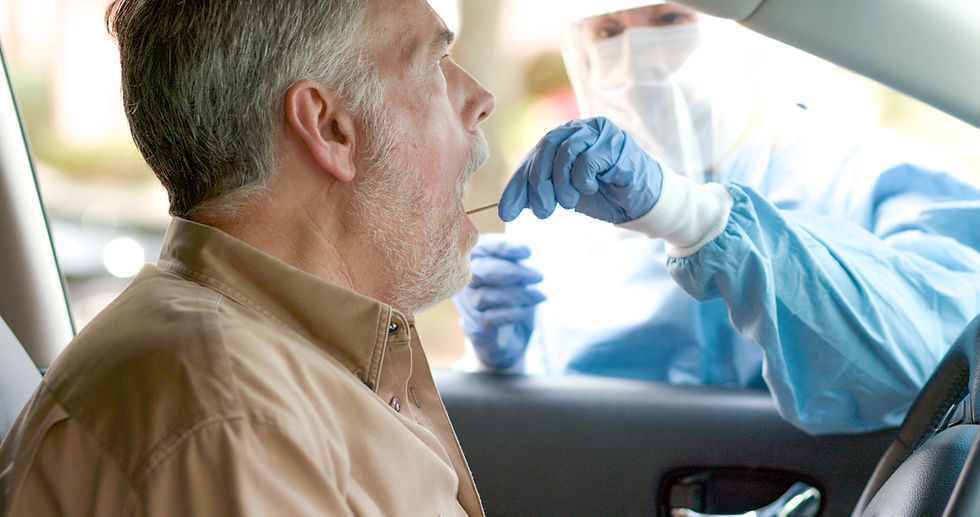

What to Expect During an Acute Care Visit
Before Your Visit: Preparing Your Information
To make your visit as efficient as possible, you may be asked to complete a brief questionnaire within your patient portal.
O — Onset:
When did the problem begin? Did it start suddenly or gradually? Has it happened before?
L — Location:
Where is the problem located?
D — Duration:
How long has it been occurring? Is it constant or does it come and go?
C — Characteristics:
How would you describe the symptom? (For example: sharp, dull, burning, itchy, pressure-like, or throbbing.)
A — Aggravating Factors:
What makes it worse? Does movement, activity, position, food, or anything else trigger it?
R — Relieving Factors:
What makes it better? Have you tried any medications or home treatments?
T — Timing:
Are symptoms worse at certain times of day or related to specific activities?
E — Exposures:
(recent exposure to someone sick or lots of people, traveled outside the country recently, used any new products like detergents or soaps, exposure to any toxins, plants, or animals, etc.)
A — Associated Symptoms:
Are there any other symptoms occurring with the main concern?
(fever, cough, vomiting, diarrhea, rash, weakness, dizziness, or changes in urination, etc.)
S — Severity:
How severe is the symptom on a scale from 1 to 10?
During Your Visit
When I arrive for an acute care visit, the first step is obtaining important baseline information, including your vital signs. Vital signs are an important part of the evaluation; however, normal vital signs do not always exclude serious illness. Your symptoms, physical examination findings, and overall clinical appearance are also important.
I will assess:
-
Oxygen saturation and respiratory rate — evaluating oxygen levels, breathing pattern, and signs of respiratory distress
-
Blood pressure — identifying concerning abnormalities that may suggest problems such as dehydration, infection, cardiovascular issues, or other serious conditions
-
Heart rate and rhythm — evaluating for signs of dehydration, infection, or possible cardiac concerns
-
Temperature — assessing for fever, infection, inflammation, or other causes of abnormal body temperature
Evaluation and Treatment Plan
After reviewing your symptoms and medical history, I will perform a focused physical examination based on your specific concern. I will consider primary and secondary factors to your symptom or condition.
Depending on the situation, additional testing may be recommended, such as:
-
Rapid testing (e.g., COVID-19, influenza, strep testing)
-
Point-of-care laboratory testing (e.g., hemoglobin, blood glucose)
We will then discuss:
-
The diagnosis
-
Differential diagnoses that may need to be further investigated
-
Additional testing (e.g., CT, US) or referrals (e.g., cardiology, gastroenterology)
-
Medications and non-medication treatment options
-
Warning signs to monitor for
-
When to follow up or seek additional care
When Emergency Care Is Needed
It is important to recognize emergency symptoms because certain medical conditions require resources that are only available in an emergency department, such as advanced imaging, on-site lab, IV medications, specialist consultation, and hospital monitoring.
Heart and Chest Pain Emergencies
Some examples include:
Heart Attack (Myocardial Infarction)
Symptoms may include:
-
Chest pressure, squeezing, or discomfort
-
Pain radiating to the arm, jaw, back, or shoulder
-
Shortness of breath
-
Sweating, nausea, dizziness, or sudden weakness
Dysrhythmias
Symptoms may include:
-
Lightheadedness
-
Rapid, slow, or irregular heart rate
-
Shortness of breath
Aortic Dissection
Symptoms may include:
-
Sudden severe chest or upper back pain
-
A "tearing" or "ripping" sensation
Severe Breathing Problems
Emergency evaluation is needed for severe respiratory symptoms, including:
-
Severe shortness of breath
-
Bluish discoloration of lips or face
-
Confusion
In children, warning signs may include:
-
Nasal flaring
-
Chest retractions (skin pulling inward between the ribs)
-
Grunting
-
Increased work of breathing
Neurological Emergencies
Stroke
Warning signs may include:
-
Facial drooping
-
Arm weakness
-
Speech difficulty
-
Sudden confusion
Spinal Cord or Nerve Compression Emergencies
Cauda equina and conus medullaris are two examples. Warning signs include:
-
New loss of bladder or bowel control
-
Difficulty urinating
-
Numbness in the groin, buttocks, or inner thighs ("saddle anesthesia")
-
Progressive leg weakness
Sudden Severe Headache
A sudden "worst headache of your life" or thunderclap headache may indicate subarachnoid hemorrhage or reversible cerebral vasoconstriction syndrome.
Increased Pressure in the Brain
Warning signs include:
-
Persistent or rapidly worsening severe headache
-
Repeated vomiting, especially without significant nausea
-
Increasing tiredness
-
New seizures
-
Vision changes, including double vision or sudden vision loss
-
New weakness, numbness, or difficulty speaking
-
Loss of consciousness
Severe Allergic Reactions (Anaphylaxis)
Emergency symptoms include:
-
Difficulty breathing
-
Swelling of the lips, tongue, or throat
-
Widespread hives with dizziness
-
Low blood pressure
Severe Abdominal Pain
Seek emergency evaluation for severe, worsening, or unusual abdominal pain. There are an abundance of emergency conditions, such as:
-
Appendicitis
-
Acute Pancreatitis
-
Acute Cholecystitis
-
Ectopic Pregnancy
-
Bowel perforation
-
Abdominal aortic aneurysm
-
Mesenteric ischemia (loss of blood flow to the intestines)
Serious Infections
Some infections can progress rapidly and require IV antibiotics, surgical treatment, or hospital monitoring.
Some unexpected emergency infections include:
-
Flexor tenosynovitis (infection involving the finger)
-
Felons (deep fingertip infections)
Seek urgent evaluation for:
-
Confusion
-
Trouble Breathing
-
Meningitis Symptoms: high fever, stiff neck, confusion, severe headache, seizures, light sensitivity
-
Rapidly spreading redness or swelling
-
Severe pain
Severe Bleeding Emergencies
Examples:
-
Vomiting blood
-
Black, tarry stools
-
Heavy uncontrolled bleeding
-
Coughing up significant amounts of blood
-
Fainting, severe weakness, confusion
Severe Injuries
Emergency evaluation may be needed for:
-
Severe trauma
-
Severe head injuries
-
Suspected fractures
-
Severe bleeding
Important Reminder: Not every serious medical condition presents with every warning sign. If you are concerned that something is not right or your symptoms are rapidly worsening, it is important to seek medical advice.
bottom of page